



Hamburg's Senator for Transportation Visits the Max Bögl Group
July 8, 2025
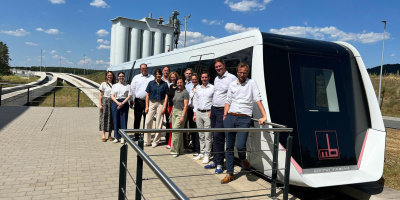
With its wide range of products for rapid infrastructure construction, the Max Bögl Group is a key partner in making the mobility transition a success. Last Tuesday in Sengenthal, Dr. Anjes Tjarks (Senator) and other representatives from the Hamburg Authority for Transportation and the Mobility Transition, which he heads, learned about these and other future-oriented topics—such as the development of low-carbon concrete. The group was welcomed and given a tour of the plant by Johann Bögl, shareholder and Chairman of the Supervisory Board.
Solutions that can be implemented quickly for transportation infrastructure and public transit in Hamburg
The construction of new infrastructure and the renovation of existing infrastructure were given high priority in both the federal government’s new coalition agreement and the Hamburg Senate’s coalition agreement. Especially in large metropolitan areas like Hamburg, such construction projects must be carried out quickly and efficiently in order to minimize disruptions to traffic on the one hand and improve it sustainably on the other. Max Bögl has developed a solution for the rapid construction of bridges with the Modul Bridge Bögl. Through standardization and mass prefabrication, a new bridge can be planned and erected in a very short time. This allows for efficient planning of both time and costs.
The Max Bögl Group offers Max Bögl Eco-Concrete, which replaces up to 70% of the cement with other binders, thereby significantly reducing the concrete’s CO2 emissions while maintaining the same performance, in order to make such construction projects more sustainable.
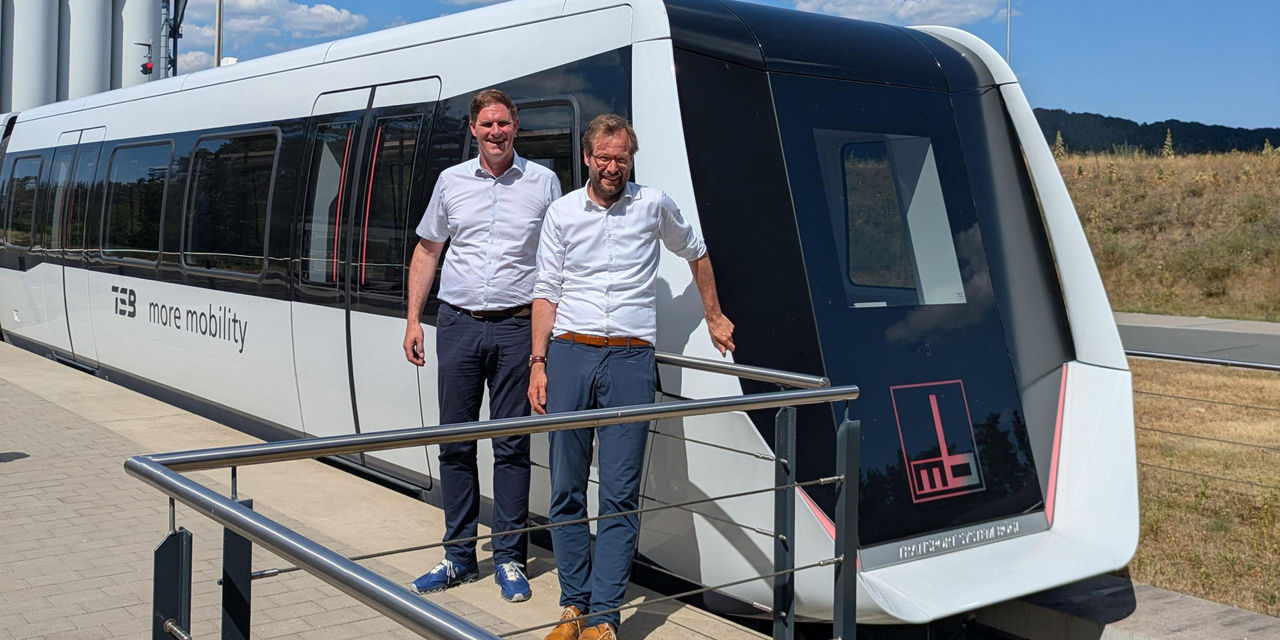
With the Bögl Transport System (TSB)—a magnetically levitated rail system developed in-house—the group has introduced a quiet, flexible, and rapidly deployable solution for the fully automated transport of passengers and goods in local transit.
The system serves as a sustainable complement to subways, commuter rail, and streetcars in densely built-up urban areas. Additionally, the TSB offers an alternative to truck transport for containers and other cargo units, moving them very efficiently and at high capacity.
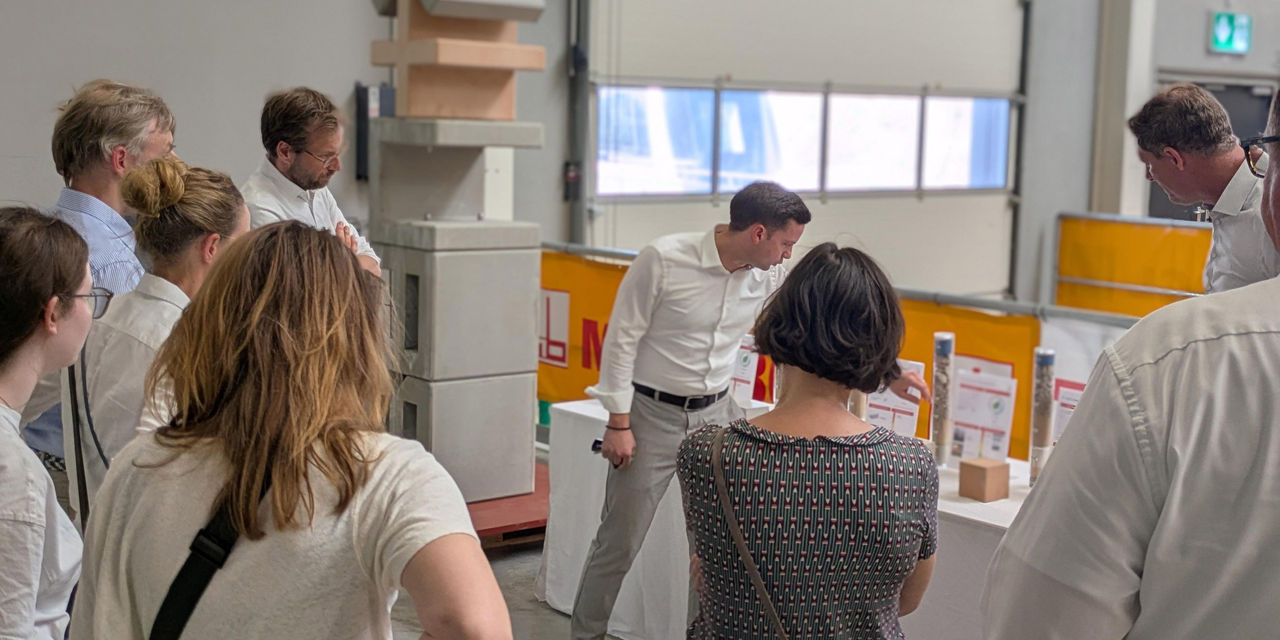
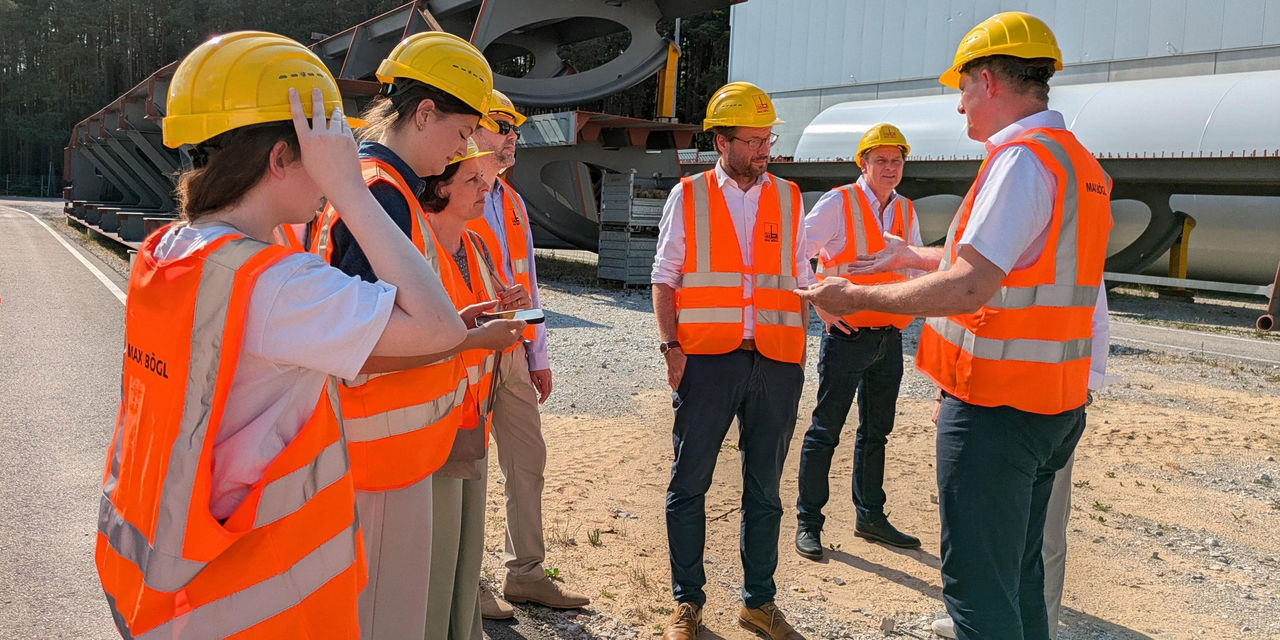
Photo credit: Max Bögl Group / Theresa Pfeiffer