Social Share Icon

Digitalization
BIM

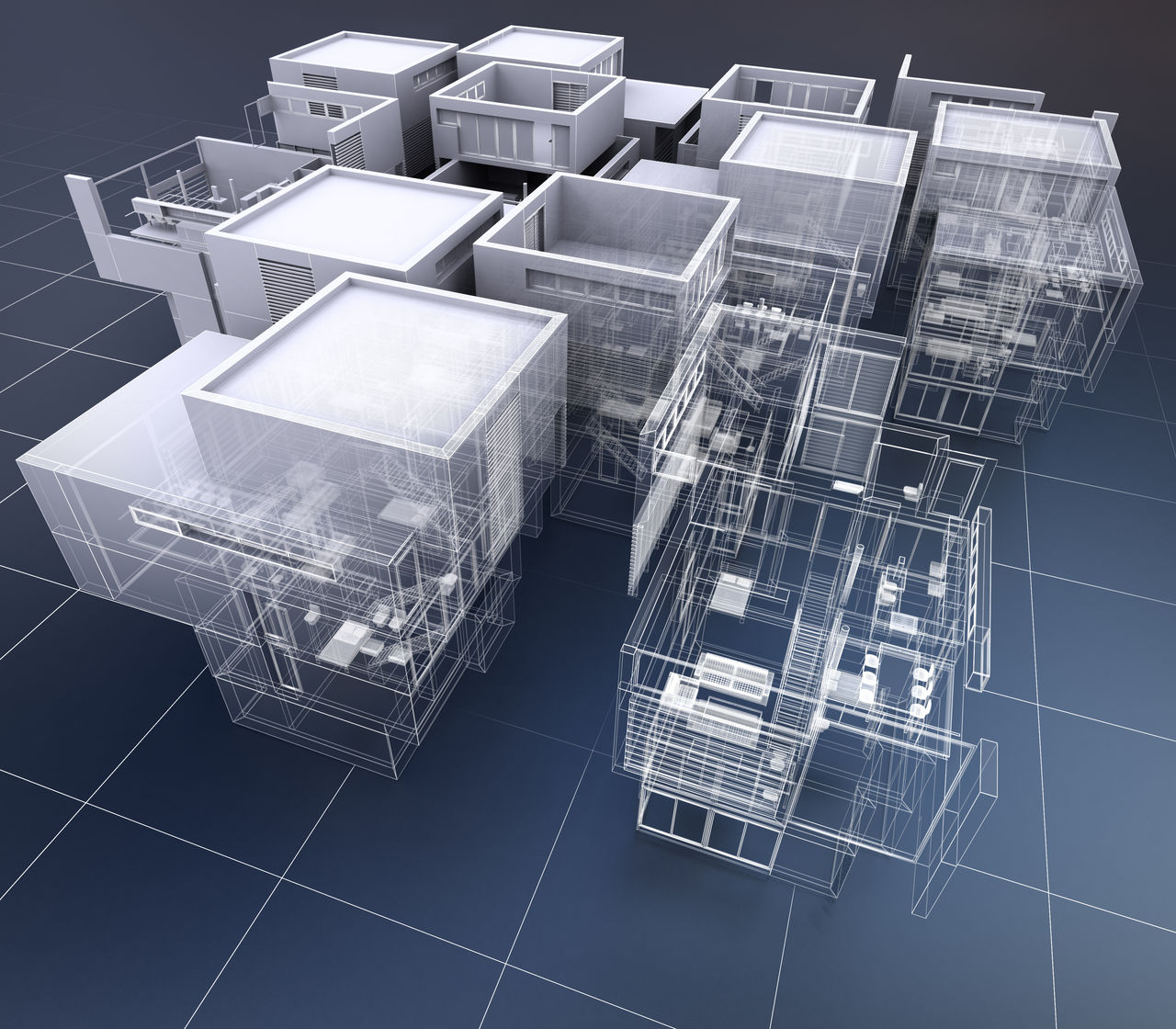
Building Information Modeling (BIM) is a working method in the construction industry designed to optimize the planning, execution of work, and management of buildings and other structures. The focus is on the digital provision of project information. Various models form the basis for enabling the centralized management and distribution of data. It is important to note that BIM is not software, but rather a working method designed to facilitate collaboration among all project stakeholders throughout the entire life cycle of a structure. With BIM, project information and data are stored centrally in a 3D model. This information is accessible at all times and is transferred without loss throughout the entire project lifecycle. As a result, the various project phases—from acquisition through the warranty period—can be coordinated more smoothly. This ensures a modern approach to project management from the initial design through to building operations.
 

“BIM is definitely not a short-term trend, but rather a new way of working for our company and the entire construction industry—one in which we aim to lead the way.”

With these words, Mr. Stefan Bögl underscores the forward-looking goal the group of companies is pursuing for our future. To keep this development process on track in the long term, a constant exchange of ideas is needed both within and between all business units — BIM is and will remain a shared tool for collaborative, digital cooperation and, to a significant extent, paves the way for our company as a solid strategy toward “industrial construction.”

By this, we mean streamlining work processes to achieve cost efficiency, higher productivity, and quality. We aim to implement this using methods such as the prefabrication of components (prefabricated production), the standardization of building elements while maintaining design flexibility (maxmodul), and, above all, the optimization of our planning and production processes. The key foundation for the above-mentioned methods is the integration of our BIM methodology with lean management.

The following video shows how we intend to implement BIM at Max Bögl:

BIM – A Work Method

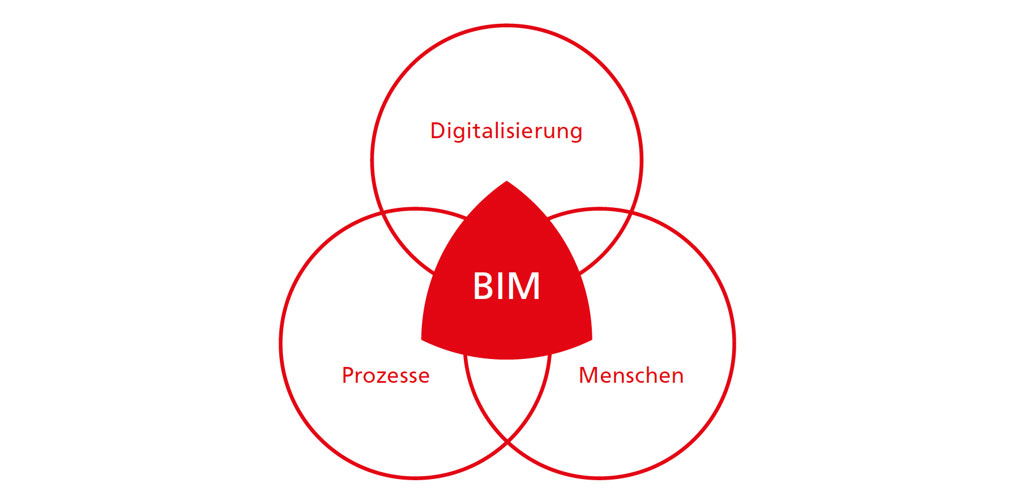
A project management process carried out using BIM becomes significantly more transparent. This, in turn, improves the quality of our work. Cost and schedule reliability are improved by minimizing errors in planning and work preparation. In this way, the execution of all projects can not only be precisely organized but also carefully managed. BIM is therefore more than just an intelligent 3D model. It is a working methodology that connects people through modern T-echnologies in the context of digitalization. The more users consistently integrate this method into their daily work and actively practice it, the greater the reduction in workload for everyone involved.

BIM